QU'EST-CE QUE TU CHERCHES?

Scanners PDA robustes ou numérisation par smartphone : lequel est le mieux adapté à votre entreprise ?
Optimisé pour les lecteurs du monde entier | Également connu sous le nom de : lecteur de codes-barres, ordinateur mobile, terminal portable, collecteur de données, terminal portable industriel
À l'ère de la transformation numérique, la manière dont les entreprises collectent les données sur le terrain connaît une profonde mutation. Les professionnels de la logistique, de la production et du commerce de détail sont souvent confrontés à une question cruciale : pour la lecture des codes-barres, vaut-il mieux investir dans des ordinateurs mobiles robustes spécialisés coûtant plusieurs centaines de dollars, ou peut-on simplement utiliser les smartphones que nos employés possèdent déjà ?
Cette question met en lumière un compromis fondamental entre efficacité, coût et maîtrise opérationnelle. Cet article propose une comparaison basée sur des données pour vous aider à faire le choix le plus adapté à votre contexte commercial.
1. La principale différence : design grand public vs design industriel
La distinction fondamentale est simple : les smartphones sont des outils de communication grand public ; terminaux portables industriels Ce sont des outils de productivité conçus pour les entreprises. Cette différence fondamentale détermine tout, de la performance et la durabilité au coût total de possession.
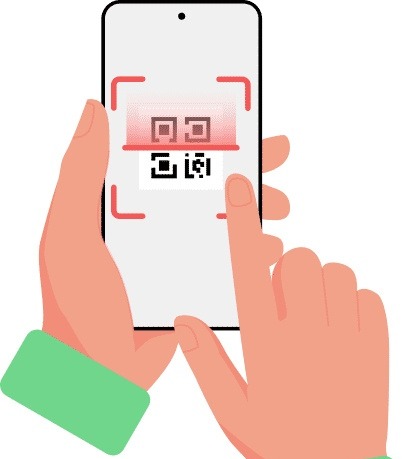
Numérisation par smartphone : attrayante mais limitée
L'utilisation d'un smartphone avec une application de numérisation semble être une solution simple et économique. Les employés connaissent bien les appareils et le logiciel est facilement accessible. Cependant, lors d'un déploiement à grande échelle ou dans des environnements exigeants, des failles importantes apparaissent :
A. Limitations de l'appareil photo : Les smartphones utilisent des appareils photo qui nécessitent une mise au point automatique et un éclairage adéquat. Dans les entrepôts faiblement éclairés, sur des surfaces brillantes ou réfléchissantes, ou avec des codes-barres endommagés, leur fonctionnement est difficile, ce qui entraîne des retards et la frustration des utilisateurs.
B. Écart d'efficacité : Un lecteur de codes-barres de qualité professionnelle La lecture des codes se fait en millisecondes. Un smartphone met quelques secondes. Pour un préparateur de commandes qui scanne des milliers d'articles par poste, cette différence se traduit par des heures de productivité perdues.
C. Autonomie de la batterie : Le recours à la numérisation intensive vide les batteries des smartphones en quelques heures, et non en plusieurs journées de travail. Les employés sont souvent contraints de transporter des batteries externes, ce qui représente un risque pour leur sécurité.
D. Fragilité : Une chute sur le sol en béton d'un entrepôt est fatale pour la plupart des téléphones portables. Le coût des réparations ou du remplacement grimpe rapidement.
Le « facteur humain » : avoir un smartphone en main est une source de distraction. Les notifications personnelles et les réseaux sociaux interfèrent avec les tâches professionnelles.
Ordinateurs de poche robustes : la productivité par la conception
Un terminal portable robuste est un outil conçu spécifiquement pour une seule chose : la capture de données efficace et précise dans des conditions difficiles. Ses avantages sont évidents :
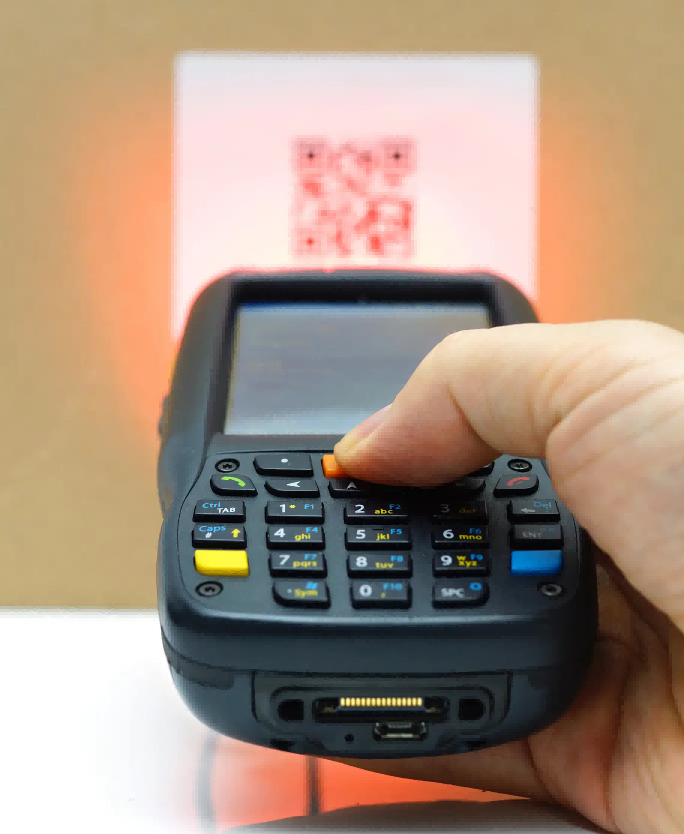
A. Moteur de numérisation supérieur : Ces assistants numériques personnels (PDA) industriels utilisent des moteurs d'imagerie professionnels qui décodent instantanément les codes-barres, sans nécessiter de mise au point. Ils lisent les codes endommagés, sales ou mal imprimés.
B. Robustesse conçue à cet effet : Avec des indices de protection IP65/67 et la capacité de résister à de multiples chutes de 1,2 à 1,8 mètre sur du béton.
C. Puissance toute la journée : Les batteries remplaçables à chaud permettent à ces appareils de terrain de fonctionner 24 heures sur 24, 7 jours sur 7, sur plusieurs équipes.
D. Intégration du système : Les terminaux de données robustes fonctionnent sous Android ou Windows de qualité professionnelle et s'intègrent parfaitement aux systèmes WMS ou ERP.
Le tableau ci-dessous résume les principales différences :
| Fonctionnalité | Numérisation par smartphone | Scanner portable robuste |
|---|---|---|
| Fonction principale | Communication avec les consommateurs | Capture de données industrielles |
| Technologie de numérisation | Appareil photo, lent, nécessite une mise au point | À base de laser/imageur, instantané |
| Durabilité | Faible (fissures sur l'écran, dégâts d'eau) | Haute (MIL-STD, IP67) |
| Autonomie de la batterie | Limité, s'estompe avec le temps | Remplacement à chaud, à pleine capacité |
| Coût total de possession | Élevé (remplacement fréquent) | Faible (longue durée de vie, réparations minimales) |
| Gestion | Difficile (risques de sécurité liés au BYOD) | Centralisé (intégration MDM, EMM) |
2. Le paysage et les tendances du marché mondial
Le choix entre les lecteurs de codes-barres portables et les smartphones est façonné par des forces plus importantes sur le marché mondial de la mobilité d'entreprise.
Le BYOD et l'essor de la mobilité en entreprise
Le marché mondial du BYOD et de la mobilité d'entreprise est en plein essor et devrait atteindre 272,3 milliards de dollars d'ici 2035. Cette croissance incite de nombreuses entreprises à envisager des solutions mobiles pour les tâches simples. Cependant, cette adoption soulève des défis en matière de sécurité et de conformité.
Le marché résilient de la collecte de données mobiles
Parallèlement, le marché du matériel dédié à la capture de données reste dynamique et devrait atteindre 3,59 milliards de dollars d'ici 2032. Les principales tendances incluent l'intégration de l'IA, la connectivité 5G et les capteurs multimodaux (RFID, GPS).
Nuances régionales
Amérique du Nord: Leader dans les modèles fournis par le cloud et l'analyse avancée.
Europe: Met l'accent sur la souveraineté et la conformité des données.
Asie-Pacifique : La région à la croissance la plus rapide, portée par des stratégies axées sur le mobile et la rentabilité.
3. Sélection basée sur des scénarios : choisir le bon outil
Le meilleur choix dépend entièrement de vos besoins opérationnels.
Quand les smartphones constituent une option viable
Opérations à faible volume (moins de 50 scans par jour), contrôles ponctuels de la direction et environnements de vente au détail contrôlés/propres.
Quand vous avez besoin d'un ordinateur portable robuste
Entreposage à grand volume/3PL, environnements difficiles (entrepôt frigorifique, sols poussiéreux) et précision critique pour la mission (soins de santé, fabrication).
L'alternative à position fixe : les lecteurs de codes-barres
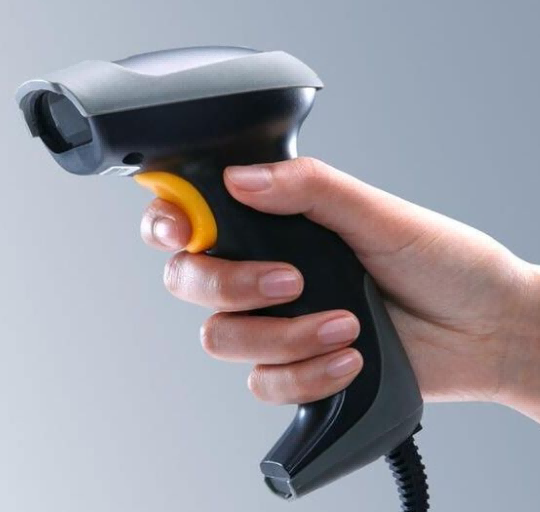
Pour les stations d'emballage ou les points de vente, un lecteur de codes-barres filaire ou sans fil traditionnel connecté à un terminal est souvent la solution la plus rentable.
4. Le coût réel : Calcul du coût total de possession (CTP)
Les coûts cachés des smartphones : Remplacement des appareils (taux de défaillance de 76 % signalé après les chutes), temps d'arrêt et frais généraux liés au support informatique.
Le retour sur investissement des ordinateurs portables robustes : Conçu pour un cycle de vie de 3 à 5 ans. Coût total de possession réduit grâce à la diminution des pannes et aux gains de productivité liés à une numérisation plus rapide.
5. L'avenir : convergence et numérisation « définie par logiciel »
La frontière entre ces deux mondes s'estompe. Les kits de développement logiciel mobiles avancés transforment les smartphones en outils de numérisation plus performants grâce à l'IA, tandis que les ordinateurs durcis deviennent des plateformes multifonctionnelles intégrant la RFID UHF et la connectivité au cloud.
Conclusion : Faites le choix stratégique
Si vos opérations impliquent la numérisation de volumes importants et des environnements difficiles, un terminal portable durci représente un investissement stratégique rapidement rentabilisé. Si vos besoins sont moins exigeants et que l'environnement est moins contraignant, une solution basée sur un smartphone peut constituer une option flexible pour débuter.
Hi! Click one of our members below to chat on
 fr
fr 


 Réseau IPv6 pris en charge